


More information on the air quality in your city?
Feel free to contact our experts and test our traffic management with air quality APIs.

Air quality refers to the condition of the air based on the types and concentrations of pollutants it contains. The concentration of various pollutants in the atmosphere determines air quality. Better air quality doesn’t only refer to fewer emissions, but also includes a reduction of other pollutants. This reduction is the ultimate goal.
Pollutants affecting air quality can be natural or human-made. The key pollutants influencing air quality due to the Environmental Protection Agency (EPA) include:

Air quality is typically measured using the Air Quality Index (AQI). The AQI summarizes pollutant concentrations on a scale from “good” to “hazardous,” providing health risk guidance for the population. Air quality is assessed using specialized monitoring devices that measure various pollutants in the air.
Several factors influence air quality, including traffic, industry, natural sources, and weather conditions. These elements can increase pollutant concentrations in the air, affecting air quality levels in different areas.
Good air quality is essential for human health and environmental preservation. Poor air quality can lead to health issues like respiratory and cardiovascular diseases, as well as environmental damage such as acidification of soils and water systems.
Air quality is impacted by a range of factors, including industrial emissions and traffic, along with natural sources like wildfires. Weather conditions also play a role in exacerbating pollution levels.
Air quality in the U.S. varies significantly between urban and rural areas. Large cities like Los Angeles, New York, and Chicago tend to have higher pollution levels, while rural areas often enjoy better air quality. Despite progress, challenges remain, especially in densely populated urban centers.
Current situation
Air quality is typically worst in heavily industrialized and densely populated areas. Cities like Los Angeles, New York, and other major urban centers in the U.S. often experience poor air quality, especially during peak traffic hours and under certain weather conditions.
Traffic is a major contributor to urban air pollution. Vehicle emissions significantly degrade air quality, with serious implications for both human health and the environment.

Long-term exposure to traffic-related air pollution can lead to chronic diseases. Studies have shown that people exposed to high levels of pollutants like those from vehicles are at greater risk for conditions like asthma, bronchitis, and cardiovascular diseases, especially vulnerable groups like children and the elderly.

Air pollution also negatively affects the environment, contributing to soil degradation and reduced visibility. Nitrogen oxides and particulate matter can damage plants and lead to acid rain, which harms both soil and water ecosystems.
Several strategies can help improve air quality by reducing emissions from transportation. Promoting public transportation, transitioning to electric vehicles, and implementing traffic management measures such as low-emission zones are all effective ways to decrease pollution levels with smart mobility.
Air Quality as an Important Factor for Traffic Management Systems
APIs (Application Programming Interfaces) play a crucial role in modern traffic management by integrating air quality data into traffic planning. APIs enable seamless data exchange between different systems and platforms, making it essential to incorporate real-time air quality data into traffic management systems. By using APIs, traffic planners can access up-to-date air quality information and incorporate it into their decision-making processes.
For example, an API can provide data on pollutant concentrations such as particulate matter (PM2.5, PM10) and nitrogen dioxide (NO₂), which can then be used to manage traffic flows and reduce pollution in high-emission areas. APIs also allow real-time adjustments to traffic signals and lights to optimize traffic flow and reduce emissions. Furthermore, APIs can be used to deliver air quality information to drivers and pedestrians, allowing them to adjust their routes accordingly. The interoperability enabled by APIs is crucial for creating smart, sustainable traffic systems that improve both efficiency and quality of life in urban areas.
Thus, APIs are an indispensable tool for integrating environmental factors into traffic planning and help minimize the negative impacts of traffic on air quality. Through continuous development and implementation, cities can optimize their traffic management strategies while promoting the health and well-being of their citizens. APIs provide a flexible and scalable solution for addressing the challenges of modern traffic management and building a sustainable future.
Next Generation Traffic Management
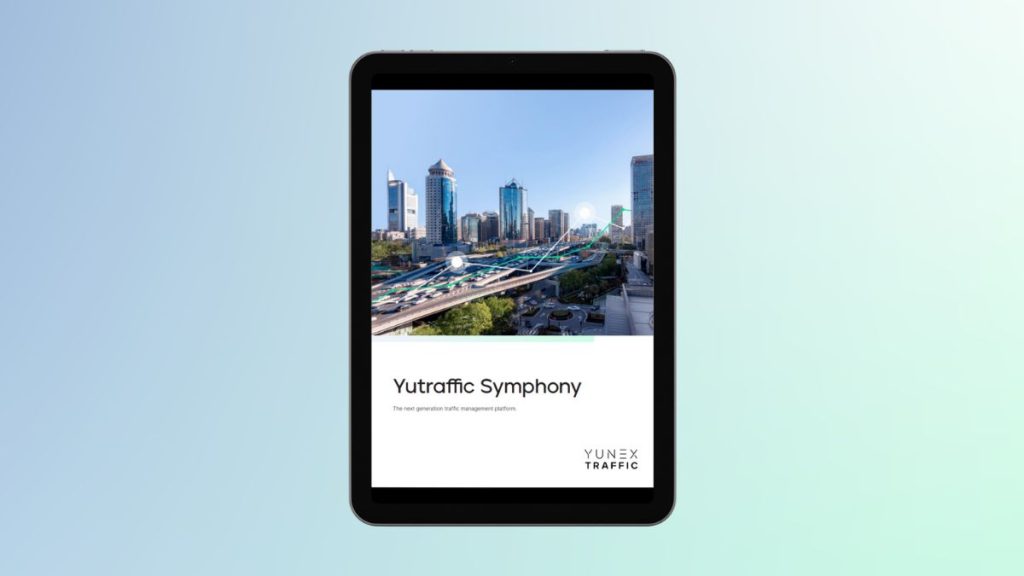
Fill out the form below and receive our brochure by email:
Air quality plays a crucial role in public health and quality of life. By adopting measures to reduce pollution and continuously monitoring air quality, we can protect both human health and the environment. Ensuring clean air is a shared responsibility among governments, businesses, and individuals.

Feel free to contact our experts and test our traffic management with air quality APIs.
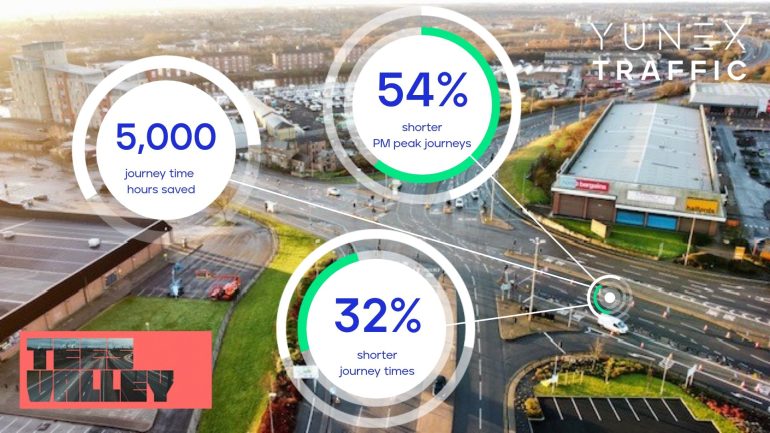
How can a region improve traffic flow when simply adding more road capacity isn’t the answer? Together, Tees Valley Combined Authority and Yunex Traffic are showing what is possible when strong partnership, real-time data and intelligent traffic management come together. Like many regions, Tees Valley faces growing pressure on its road network. More demand, changing…
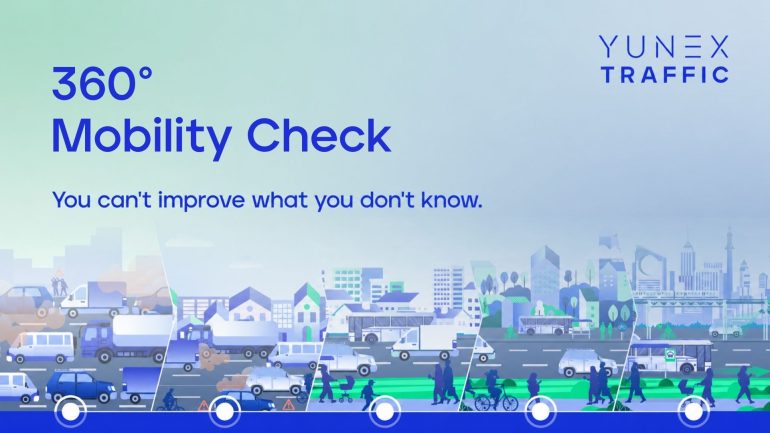
Get to know your mobility challenges Cities around the world are working to create safer, more sustainable and more efficient transportation systems. Yet achieving these goals is becoming increasingly complex. Mobility leaders must balance growing traffic demand, environmental objectives, budget constraints, evolving technologies and rising citizen expectations. While many cities recognize the challenges they face,…

Weiden, Germany, 6 October 2026. The City of Weiden is the first municipality to deploy Yutraffic awareAI 2.0, the next generation of AI-enabled traffic detection from Yunex Traffic. The deployment marks a key milestone in the global rollout of Yutraffic awareAI 2.0, combining advanced AI-enabled traffic detection, real-time insights and seamless integration to help cities…

Brno, Czech Republic, 30 September 2026. Brno is taking the next step in its mobility journey with a new Traffic Information Center designed to create a single source of truth for traffic operations across the city. Bringing together traffic, parking, public transport and roadway information, the platform will support more informed decision-making and provide AI-enabled…

Belgrade, 28 September 2026. Yunex Traffic has successfully completed the implementation of Belgrade’s Adaptive Traffic Control System, one of the most ambitious urban mobility modernization projects in the region. The new central traffic control system now monitors and manages traffic operations across around 400 intersections in Belgrade, enabling both citywide adaptive traffic control and local…

1. Kathrin, what personally fascinates you about V2X technology, and why is it so relevant for public transportation? V2X is the first technology that directly connects road users dynamically with the road infrastructure. What fascinates me most is that it transforms a transportation system made up of many individual, largely independent components into a cooperative,…